Reiki is an energy healing technique that promotes relaxation and reduces stress and anxiety with or without gentle touch in person or from a distance for advanced practitioners. Reiki practitioners use their hands to deliver energy to your body, improving the flow and balance of your energy to support healing.
Mikao Usui developed reiki in the early 1900s, deriving the term from the Japanese words rei, meaning “universal,” and ki, which refers to the vital life force energy that flows through all living things. Now, reiki is used all over the world, including in hospitals and hospices, to complement other forms of health treatments.
Health Benefits of Reiki
Reiki promotes relaxation, stress reduction and symptom relief to improve overall health and well-being. Chronic illnesses will require multiple sessions.
Possible impacts of reiki sessions include:
Bring on a meditative state
Foster tissue and bone healing after injury or surgery
Stimulate your body’s immune system
Promote natural self-healing
Relieve pain and tension
Support the well-being of people receiving traditional medical treatments such as chemotherapy, radiation, surgery and kidney dialysis
Studies show that reiki treatment may create feelings of:
Peace
Relaxation
Security
Wellness
Can Reiki Replace Traditional Treatments?
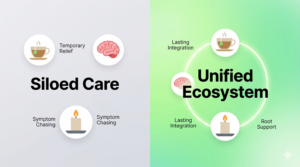
No. Reiki treatment should not be used as a substitute for the consultation of a physician or a psychotherapist. Reiki is a wonderful complement to other types of medical and therapeutic treatments and can increase the efficacy of other types of healing.
If you’re already in good health, regular reiki treatments can enhance your ability to respond to stress and serve as a form of preventive medicine.
What Conditions does Reiki Treat?
Reiki works as a trinity healing modality as a mind, body, and spiritual support. It is a universal life force energy. Chronic conditions require multiple sessions to benefit the receiver.
Psychological distress, including depression and anxiety
Stress-related illnesses
Reiki can also help you prepare for surgery, which may help boost your post-op recovery time.
How does Reiki Work?
Reiki practitioners act as a conduit between you and the source of the universal life force energy. The energy flows through the practitioner’s hands and/or energy channels into you.
“The patient determines the energy flow from the practitioner’s hands by taking only what they need,” Dr. Bodner says. “This helps the patient know that we are supporting them only in what they need rather than what we think they need. This makes it the perfect balance to meet the patient’s needs.”
What Happens During a Reiki Session?
Reiki treatment times can vary, but typically last about 50 minutes. During a session, you may:
Lie on a massage table fully clothed
Sit or stand quietly
Choose any comfortable position that works for both you and your practitioner to do their work
As your reiki practitioner gently places their hands, palms down, on or just above your body in specific energy locations. They may use a series of 12 to 15 different hand positions. A practitioner with more advanced training may choose to do a distance session with you. Depending on the practitioner you may be asked to focus on receiving the reiki energy or you may be asked to carry on with your day. Reiki differs from other touch therapies in that there is no pressure, massage or manipulation involved.
What does Reiki Feel Like?
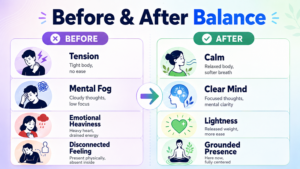
Everyone experiences reiki differently. Please share with your practitioner how it was received! This helps us to grow. You may experience any, all, or none of these experiences.
Sensations like:
Heat
Tingling
Pulsing
Buzzing
Weight or Weight Releasing
Body twitches or other physical responses
Most people feel very relaxed and peaceful during reiki treatment, and many fall asleep during the process.
Get in touch with us today with any questions you might have about our services. Check out our Reiki Services here. We would love to get to know you and your needs! You can contact us by filling out the contact form on our website here. You can also reach us by messaging us on Facebook, LinkedIn, Whatsapp or Instagram, or by calling or emailing: +1 (828) 289-5459 admin@lmhtea.org